Skylights: What You Should Know Before Installing
Skylights are capable of transforming indoor environments by enhancing natural light and improving ventilation. They are available in a range of styles, each tailored to various architectural demands. Still, those considering a purchase must evaluate factors like positioning, roofing suitability, and ongoing maintenance needs. Although the advantages are evident, challenges may arise after installation. Being aware of these factors is vital for anyone thinking about adding this feature to their home. What exactly should homeowners be aware of before taking the plunge?
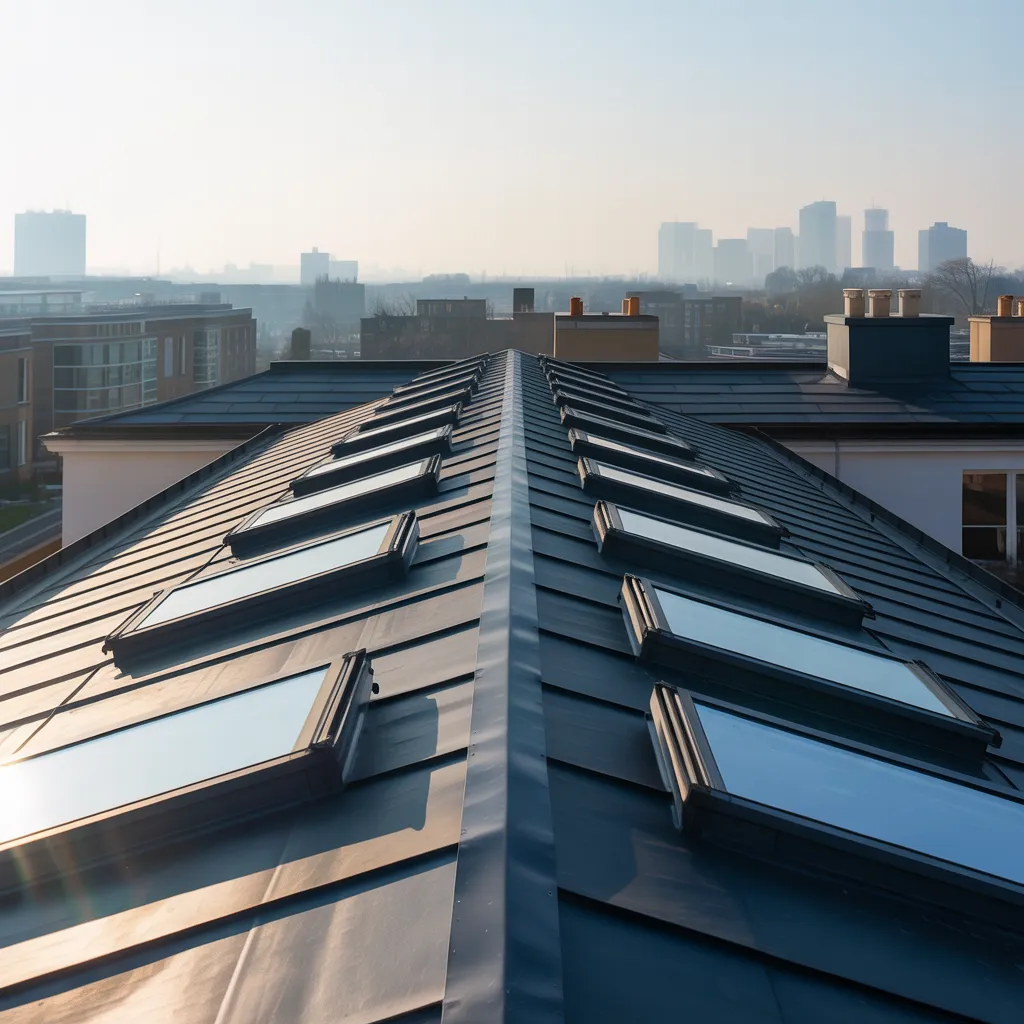
Why Skylights Are a Wonderful Addition to Your Home
Skylights can transform a shadowy area into a bright, inviting area, improving both visual appeal and practicality. By enabling natural light to stream inside, they create a sense of openness and extend the apparent boundaries of an area. This boost in brightness not only improves well-being but can also reduce reliance on artificial lighting, contributing to notable savings on energy consumption.
In addition, skylights can improve ventilation, particularly when operable options are chosen, encouraging air movement and maintaining a inviting indoor environment. They can also function as a unique architectural element, adding character and charm to diverse home aesthetics.
In addition to practical advantages, skylights can elevate the overall ambiance, creating a more enjoyable living space. Homeowners may find that the integration of these additions fosters a bond with the outdoors, enhancing their daily experience. Overall, skylights are a significant improvement that merges beauty with functionality, making them a worthy consideration for any home improvement project.
Exploring Different Skylight Styles
Within the realm of skylights, various styles offer distinctive advantages tailored to different needs. Fixed skylights provide a simple solution for enhancing natural light, while ventilated skylights support proper ventilation and climate management. Tubular skylights, alternatively, are intended for limited spaces, expertly collecting and distributing natural light.
Fixed Skylights Overview
Natural light is a key factor in enhancing the ambiance of any space, and fixed skylights offer a stylish solution for bringing sunlight indoors. These skylights are sealed installations that remain fixed in place, yet they efficiently flood rooms with natural sunlight. Coming in a wide range of shapes and dimensions, fixed skylights can be tailored to complement diverse architectural designs, from modern to traditional. They are typically made of durable materials such as tempered glass or acrylic, ensuring longevity and resistance to weather elements. Fixed skylights additionally lower energy expenses by decreasing reliance on artificial lighting throughout the day. Ideal for hallways, living rooms, or kitchens, these skylights establish a radiant, spacious feel while improving the overall look of a home.
Advantages of Ventilated Skylights
Whereas fixed skylights supply ample natural light, ventilated skylights offer an additional advantage by enabling airflow and climate regulation. Such skylights may be opened by hand or automatically, facilitating fresh air circulation and reducing indoor humidity. This function can considerably boost home comfort, most notably in the warmer seasons, by encouraging a more comfortable atmosphere. Ventilated skylights further support greater energy efficiency, as they may decrease the need for air conditioning systems. Additionally, they contribute to better indoor air quality by allowing stale air to escape. Homeowners can enjoy the dual benefits of natural light and ventilation, rendering these skylights a superb selection for spaces demanding both lighting and climate regulation. In summary, ventilated skylights serve as a valuable addition to any residence.
Tubular Skylights Features
Sun tubes, often called sun tubes, are a remarkable choice for residents aiming to enhance natural light in limited spaces. These installations are made up of a reflective tube that channels daylight from a dome on the roof into interior spaces, efficiently brightening rooms without significant structural changes. Available in various sizes, they can conveniently fit into confined spaces such as hallways, bathrooms, and closets. Sun tubes also incorporate energy-saving designs, frequently including insulated materials to minimize heat loss. Select models provide variable light diffusion, enabling homeowners to manage light intensity. Moreover, they are typically simpler and more affordable to put in compared to standard skylights, making them a popular selection for those looking to enhance their living environments with natural light.
Important Things to Consider Prior to Installing Skylights
What factors should homeowners weigh before installing skylights? To begin, the position and angle of the skylight are critical. South-facing skylights can bring in significant sunlight, while north-facing choices provide more diffused light. Homeowners should additionally evaluate the roofing material and structural integrity; not all roofing systems are able to handle skylight installations without adjustments.
In addition, the local climate conditions plays an important role. In areas with heavy snowfall or rain, the sealing and design are essential to eliminate the risk of leakage. Energy efficiency also presents a significant consideration, as poor installation practices can contribute to energy inefficiency through heat loss or gain.
Furthermore, it is important to review local building codes and regulations to ensure compliance. Working with experienced professionals can offer valuable guidance and help prevent potential complications during installation. By carefully considering these factors, homeowners can make informed decisions regarding their skylight projects.
Understanding the Benefits and Possible Drawbacks of Skylights
Investigating the pros and cons of skylights highlights a balance between enhanced natural light and potential challenges. A key advantage is the introduction of natural light, which can create a more inviting and spacious atmosphere, perhaps minimizing the requirement for artificial light during daylight hours. Skylights can also improve ventilation, aiding in controlling indoor climate conditions and elevating air quality.
That said, there are downsides to keep in mind. Incorrect installation may produce leaks, which can cause water infiltration and mold formation. Moreover, skylights can contribute to heat buildup in warm weather periods, leading to elevated air conditioning costs. The maintenance of skylights, encompassing inspecting seals and cleaning, can also be more time-consuming than standard windows. In summary, being aware of these advantages and disadvantages is important for homeowners contemplating skylight installation, ensuring they make informed decisions that suit their specific needs and preferences.
Skylight Challenges and How to Fix Them
Skylights are a great way to boost natural light in a room, but they also present various challenges. Typical concerns like leaks, moisture buildup, and incorrect installation are widely reported, which can reduce their efficiency and functionality. Recognizing these issues and the most suitable repair methods is necessary for ensuring the long-term performance of a skylight.
Common Skylight Issues
A great number of homeowners experience typical issues with skylights that can impact both appearance and performance. One frequent issue is leaks, often caused by improper installation or aging seals. This can lead to water damage and mold growth. A further issue involves condensation, which develops when warm and moist air encounters the colder surface of the skylight, resulting in unsightly water droplets. Moreover, insufficient insulation can result in energy loss, generating uncomfortable changes in indoor temperatures. Sunlight glare may also be problematic, making rooms uncomfortably bright and causing fading of furniture and decor. In addition, the accumulation of dirt and debris may impede light flow, compromising the skylight's efficiency. Tackling these concerns without delay is vital for sustaining the benefits that skylights provide in a home.
Professional Repair Solutions
Tackling frequent skylight problems demands reliable repair methods to recover both performance and visual appeal. Water infiltration, a widespread problem, typically stems from inadequate installation or environmental wear. To remedy this, homeowners should inspect the flashing and seals, replacing damaged components with high-quality materials. Furthermore, condensation can be reduced by maintaining adequate airflow in the adjacent space, thus averting moisture accumulation. Broken or compromised glass could demand full replacement, though minor defects can at times be resolved using sealants formulated for skylights. Regular maintenance, including cleaning and inspection, can further reduce the risk of future problems. By implementing these solutions, homeowners can enhance the longevity and performance of their skylights, ensuring they remain an attractive and functional feature of their homes.
What Is the Cost of Installing Skylights?
How much can one expect to invest in installing skylights? The cost of skylight installation varies considerably based on several factors, including type, size, and complexity of the installation. Most homeowners will find that costs range between $1,000 and $3,000 per skylight on average. This figure generally includes both the cost of materials and labor.
Fixed skylights tend to be priced lower than openable versions, which enable ventilation. Furthermore, the installation may necessitate structural changes, particularly if the roof requires additional support or if the skylight is installed in an already-built structure.
Homeowners ought to also take into account the lasting advantages, such as energy efficiency gained through natural light and decreased dependence on artificial lighting. It is recommended to gather a number of bids from contractors to ensure a competitive price and to verify their experience with skylight installations. At the end of the day, comprehending these costs can enable homeowners to make educated decisions about improving their homes with skylights.

Answers to Your Most Common Questions
Are Skylights Suitable for Installation in Any Room of the Home?
Skylights are able to be placed in various rooms, including bathrooms, kitchens, and living areas. Nevertheless, aspects regarding structural integrity, moisture read here control, and local building codes are crucial to guarantee effective installation and operation.
How Do Skylights Affect Indoor Temperature?
Skylights can greatly affect indoor temperature by increasing natural light, potentially warming spaces during bright days. However, poor installation or the absence of shading can lead to excessive heat buildup, impacting comfort and energy efficiency in the home.
Can You Find Energy-Efficient Skylight Solutions?
Yes, energy-efficient skylight options are available, such as those featuring dual or triple-layer glazing, Low-E coatings, and adequate insulation. Such features boost thermal performance, decrease energy costs, and support consistent and comfortable indoor temperatures year-round.
What Ongoing Maintenance Do Skylights Need?
Skylights require periodic cleaning, inspection for leaks, and resealing of edges. Regular maintenance guarantees optimal performance and durability, reducing moisture accumulation and damage. Property owners should additionally monitor for debris collection around the skylight frame.
How Can I Select the Correct Size Skylight for My Space?
To determine the appropriate size skylight, it is important to consider the dimensions of the room, ceiling height, and natural lighting requirements. A standard recommendation recommends picking a skylight unit that occupies approximately ten percent of the floor area of the room.
Comments on “Best Skylights Rooflights for Luxury Projects”